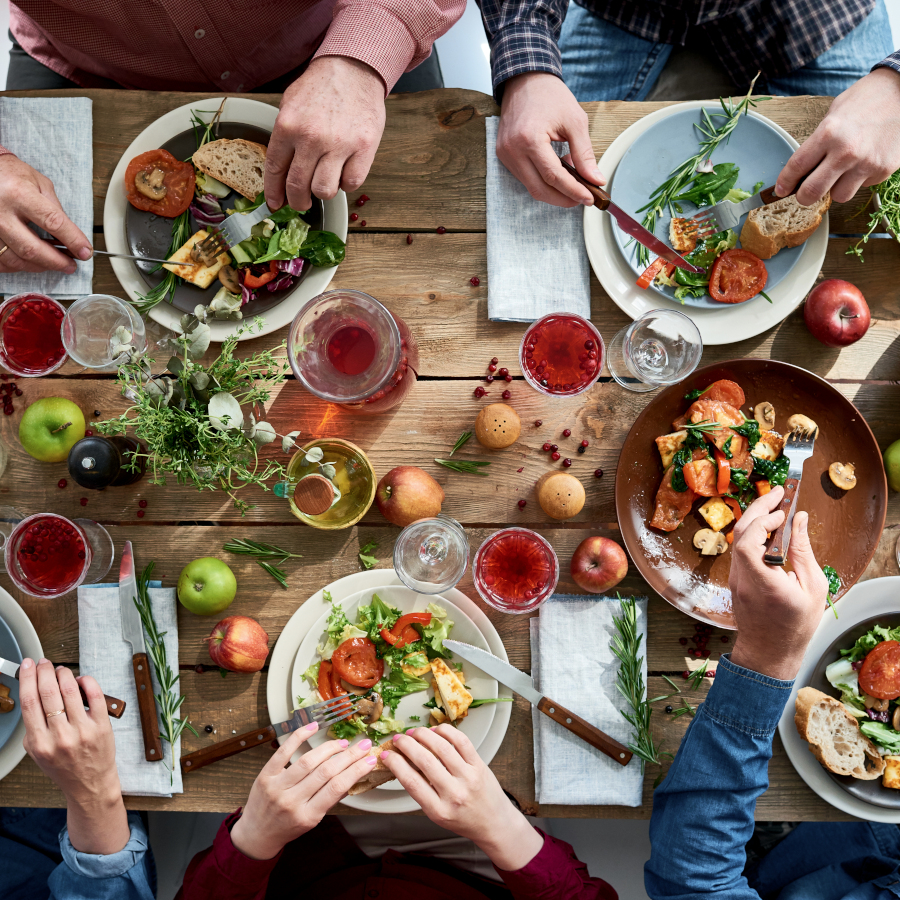
A varied and well-planned vegan diet is suitable for all ages1. If you are interested in vegan eating and considering adopting a vegan diet, you should first get carefully acquainted with reliable advice on how to plan your diet to ensure adequate intake of all essential nutrients. Those who have already been vegan for a while should also review the big picture of their diet every now and then and make sure they are using the right supplements and getting enough variety in their diet.
What are the components of a vegan diet?
A vegan is a vegetarian who does not consume any animal products2. A plant-based diet consists of a variety of grains, legumes, vegetables, berries, fruits, mushrooms, nuts, seeds, edible fats, as well as various products manufactured from plant-based ingredients. A vegan diet can include different substitutes for dairy products, such as milks, yogurts, and creams made from e.g. oats, soy, rice or almonds. Vegans can enjoy pizza, casseroles, cake, ice cream, and many other familiar foods and snacks. In vegan foods, animal-based ingredients have simply been replaced with plant-based ingredients.
How to plan a vegan diet
Nutritional recommendations and instructions make planning a vegan diet easier and help ensure adequate intake of nutrients. When your diet is generally well-planned, you don’t have to pay close attention to individual nutrients. However, vegans should keep in mind a few so-called “critical nutrients”2. These are nutrients that may be less abundant in plant-based foods or less easily absorbed from plant-based sources than from animal-based ones. These critical nutrients are vitamin B12, vitamin D, iodine, calcium, iron, and zinc. Supplementing with vitamin B12, vitamin D, and iodine is recommended for all vegans 1. Individual needs for other supplements should be evaluated separately by a healthcare professional.
Example portions for one day 3, 4
The following is a suggested guideline for adults of recommended food portions for one day. The stated numbers of portions should give you an idea of adequate food intake.
- Grains*: at least 7 portions (1 portion = 1 deciliter of cooked whole grain pasta, barley, rice, quinoa etc., 1 slice of bread, half a bowl of porridge, 2.5 deciliters of cereal or 1 deciliter of muesli)
- Legumes, nuts, seeds: approximately 6 portions (1 portion = 1 deciliter of cooked beans, lentils or peas, 0.5 deciliters of firm tofu or tempeh, 2 deciliters of calcium-enriched soy milk or soy yogurt, 1 deciliter of soy quark, 30 grams of cooked textured soy or pea protein, 2 tablespoons of nuts or seeds** whole or as a paste)
- Vegetables and mushrooms: at least 4 portions (1 portion = 2 deciliters uncooked or 1 deciliter cooked, 1.5 deciliters of salad or grated vegetables)
- Berries and fruits: at least 2 portions (1 portion = 1 medium-sized fruit or 1 deciliter of berries)
- Vegetable oils: at least 2 portions (1 portion = 1 tablespoon of oil or margarine with at least 60% fat content)
*Along with legumes, grains are an important source of protein. They also contain considerable amounts of other essential nutrients. The portion sizes for grains are small in the recommendation, so the number of portions should be easy to meet. If you eat a bowl of porridge for breakfast, pasta or barley for lunch and dinner, as well as muesli and bread as snacks throughout the day, the amount is easily reached.
**It is not recommended to eat more than two tablespoons of oil plant seeds per day. You should also vary the species of seeds in your diet. This is because seeds may absorb heavy metals from the soil. However, two tablespoons per day is considered safe and beneficial to health. The recommendation for children between 1 and 6 years is one tablespoon per day. Seeds are not recommended for infants under the age of 12 months, or for adults during pregnancy.
People following a vegan diet should supplement with vitamin D, vitamin B12 and iodine1, 5.
Things to consider when eating plant-based
It is recommended that vegans eat 5 to 6 nutritionally complete meals every day 1. You should strive for balanced and varied meals, nourishing snacks, and regular mealtimes. A healthy snack includes components from at least three different food groups and contains a source of protein. Individual meals should be put together using the so-called applied plate model. ⅓ of your plate should be a source of plant protein, ⅓ root vegetables, potatoes or grains, and ⅓ fresh or cooked vegetables. A meal following the plate model also includes a slice of whole grain bread with margarine, a glass of plant-based milk, and some salad dressing 1.
Not every single meal needs to fit strictly within these guidelines – the bigger picture is what counts. A relaxed attitude towards food, including occasional treats, is an essential part of sensible and healthy eating!